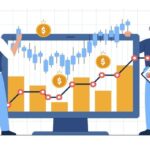





Online trading refers to the practice of buying and selling financial instruments such as stocks, forex, commodities, and cryptocurrencies through digital platforms. But why has online trading grown so rapidly in recent years?
The main factors driving growth include accessibility, technology, and convenience. Traders no longer need to rely on traditional brokers or physical exchanges; they can execute trades from anywhere with an internet connection. Market statistics reveal that the number of active online trading worldwide has increased by over 30% in the last five years, reflecting the appeal of instant market access, low transaction costs, and advanced trading tools.
How Do Secure Online Platforms Protect Traders?
Security is a critical concern in digital trading. How do platforms ensure that trader information and funds remain safe?
Modern online trading platforms implement advanced encryption protocols, two-factor authentication, and secure payment gateways. Research shows that platforms with strong cybersecurity practices experience significantly fewer fraud incidents. Beyond protecting funds, secure platforms guarantee the integrity of trade execution, ensuring that orders are processed accurately and market data remains trustworthy.
Why Is Real-Time Market Access Vital for Traders?
Timely information is essential in financial markets. How does real-time market access benefit traders?
Real-time data allows traders to react immediately to price changes, breaking news, and economic developments. Studies indicate that traders who rely on live market information can improve their decision-making speed by up to 40%, leading to more profitable trades. Access to live charts, order book data, and market analytics ensures that traders can make informed decisions with precision.
What Tools Do Online Trading Platforms Offer to Enhance Performance?
Trading platforms provide more than just market access. What features are most beneficial to traders?
Popular tools include interactive charting, technical indicators, automated trading systems, and risk management modules. Data shows that traders who actively use analytical tools and automated features maintain more consistent results and manage risk more effectively. Platforms also offer customizable alerts, economic calendars, and news feeds, keeping traders informed about critical market events in real time.
How Does Online Trading Lower Barriers for New Traders?
Traditional trading often required substantial capital and access to brokerage networks. How has online trading changed this?
Online platforms allow individuals to start with minimal investment, often providing demo accounts to practice strategies without financial risk. Research indicates that traders who begin with simulation accounts develop stronger risk management skills and perform better when transitioning to live trading. Additionally, integrated educational resources and tutorials help beginners learn market fundamentals and trading strategies quickly.
Are Online Trading Platforms Suitable for All Types of Traders?
While online trading offers wide accessibility, is it ideal for every trader?
Data suggests that day traders, swing traders, and algorithmic traders benefit the most from online platforms due to speed, flexibility, and advanced execution tools. Long-term investors can also benefit, particularly from portfolio tracking and research tools. Success often depends on aligning the trader’s style with the platform’s features, ensuring optimal use of available technology.
What Are the Advantages of Using Online Trading Platforms?
Beyond convenience, what measurable benefits do online trading platforms provide?
First, they offer flexibility, allowing trading from anywhere at any time. Second, cost efficiency is significant, as transaction fees are typically lower than traditional brokers, improving net profitability. Research shows that traders using online platforms report up to 20% higher returns due to reduced fees and faster execution. Third, integrated analytical and risk management tools support disciplined trading, decreasing the likelihood of emotional decision-making.
How Do Secure Platforms Mitigate Trading Risks?
Despite technological advantages, trading always involves risk. How do secure platforms help minimize these risks?
Security measures such as encrypted data, two-factor authentication, and account monitoring prevent cyber threats. Additionally, platforms offer risk management tools, including stop-loss and take-profit orders, which help traders control potential losses. Studies reveal that traders who consistently use these features experience more stable performance and reduced account volatility.
Why Is Real-Time Data Crucial for Strategic Trading?
Financial markets can change in seconds. How does real-time access shape trading strategy?
Immediate data allows traders to capitalize on intraday price movements, respond to breaking news, and adjust strategies quickly. Analysis shows that traders relying on live information have better trade timing and higher win rates than those using delayed or outdated data. Real-time insights enhance decision-making and reduce exposure to unexpected market events.
How Are Analytics and Automation Changing Online Trading?
Modern platforms increasingly integrate analytics and automation. How does this impact performance?
Automated trading systems execute predefined strategies instantly, reducing human error and latency. Analytics tools process large volumes of data to identify trends, patterns, and market anomalies. Research indicates that traders who combine automation with analytics achieve up to 35% higher efficiency and consistency compared to manual-only trading. Automation also frees traders to focus on strategy refinement and long-term planning.
Can Online Trading Platforms Improve Trader Skills Over Time?
Beyond immediate financial gains, can these platforms support long-term development?
Yes. Many platforms provide simulation tools, performance tracking, and educational modules that allow traders to analyze results, identify weaknesses, and refine strategies. Data suggests that traders who actively use learning tools improve risk management, strategy execution, and emotional discipline over time, accelerating professional growth and improving consistency.
What Challenges Do Traders Face With Online Trading Platforms?
Despite clear advantages, online trading is not without challenges. What should traders anticipate?
Market volatility, psychological stress, and overreliance on automation are common obstacles. Statistical studies indicate that traders who combine education, strategy planning, and disciplined risk management are more likely to overcome these challenges. Developing resilience, patience, and a structured approach is essential for sustaining performance in dynamic markets.
How Is Online Trading Shaping the Future of Financial Markets?
The rise of online platforms is transforming global trading. But what does this mean for the future?
Digital platforms democratize access to financial markets, enabling a broader range of participants to trade competitively. Industry projections indicate continued growth driven by technological innovation, artificial intelligence, and mobile accessibility. Platforms increasingly offer cloud-based analytics, real-time alerts, and integrated trading ecosystems, establishing higher professional standards and efficiency benchmarks for the trading community.
Conclusion: Why Online Trading Platforms Are Essential for Modern Traders
Online trading platforms empower traders by combining security, real-time market access, and advanced analytical tools. By lowering barriers to entry, improving decision-making, and integrating automation, these platforms help traders maximize opportunities while minimizing risks.
From a statistical perspective, traders using secure platforms with real-time insights demonstrate higher efficiency, better risk management, and accelerated skill development compared to those relying on traditional methods. For anyone seeking professional growth in financial markets, online trading platforms provide the infrastructure, tools, and insights necessary to succeed.
As technology evolves, traders who embrace digital trading platforms are better positioned to navigate volatile markets, implement disciplined strategies, and achieve sustainable success in an increasingly competitive environment.