






Wholesale purchasing punishes assumptions in a way retail buying never does. When buying bulk flowers, most first time buyers discover that a pound won’t perform exactly as a sample jar did; moisture drifts during transport or a cure that looked good at inspection turns out slightly differently at the store shelf. Having one supplier is not a problem. This is what happens when purchasing moves from single jars to weight tiers, when expectations, pricing, and packaging all shift. THCA terminology adds another layer for buyers new to this scale. Anyone sourcing Exhale Wellness wholesale THCa flower, or comparable bulk suppliers, will quickly notice that grading language is not standardised industry-wide. There is no clear way to know for sure before the first order ships what the supplier considers top shelf versus mid-grade. Bulk volume changes the math as well. A retailer selling in small quantities can absorb one uneven jar without much fallout.
Pound grading terms
Pound orders live or die on whether the grading language actually means what the buyer thinks it means. Despite the use of identical labels across two suppliers, top shelf, midgrade, and smalls have no legal definitions. Buyers who request sample pounds before committing to larger orders tend to build a much clearer picture of what a supplier’s grading language actually means in practice, which makes every order after the first one far more predictable.
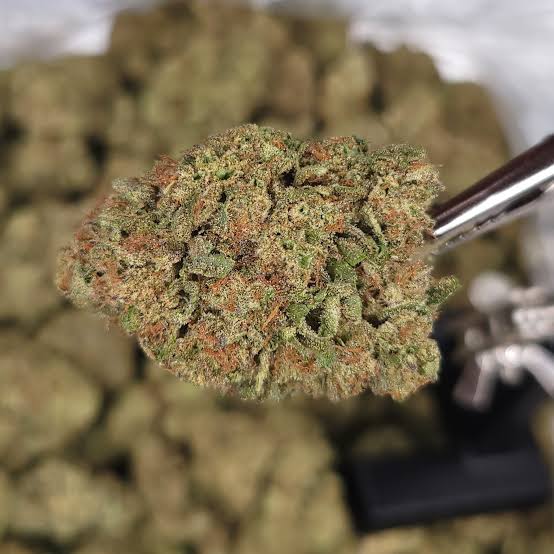
- Bud structure and density typically separate top-grade from mid-grade flower.
- Trichome coverage affects both potency perception and visual appeal on the shelf.
- Trim quality, whether hand-trimmed or machine-trimmed, changes texture and bag appeal noticeably.
Bulk moisture checks
Moisture readings sit at the centre of how well a shipment holds up, since flowers packed too wet risk mould in transit, while flowers packed too dry lose both weight and smokability. Buyers should request moisture readings at harvest and again just before shipment, since the flowers continue to shift in storage. A pound that measured correctly at cure can arrive lighter or drier two or three weeks later if storage conditions were not tightly controlled along the way. Cure time carries similar weight. Despite the lack of laboratory data to support it, flowers cured properly tend to smoke more smoothly and have a more developed terpene profile than flowers not cured properly.
Wholesale contract terms
Wholesale agreements at pound volume work best when they specify more than price per pound. Reorder timelines, replacement terms for out-of-spec shipments, and testing documentation all belong in a written agreement rather than a verbal understanding built on trust alone. Buyers newer to bulk purchasing sometimes treat the first order informally, without documented terms in place. When expectations are written from the very beginning, even for a small order, it makes every subsequent order easier and more seamless. As a matter of course, testing certificates should accompany every shipment as a standard practice, not something that is requested after the relationship has already been established. As a result, the buyer does not have to ask for documentation each time, so documentation is consistent.
When it comes to wholesale flower purchasing, buyers who invest time upfront benefit more than those who adjust afterward. A pound of flower’s performance is determined by its grading language, moisture readings, and written contract terms, and buyers who address each early tend to build more stable supplier relationships.