






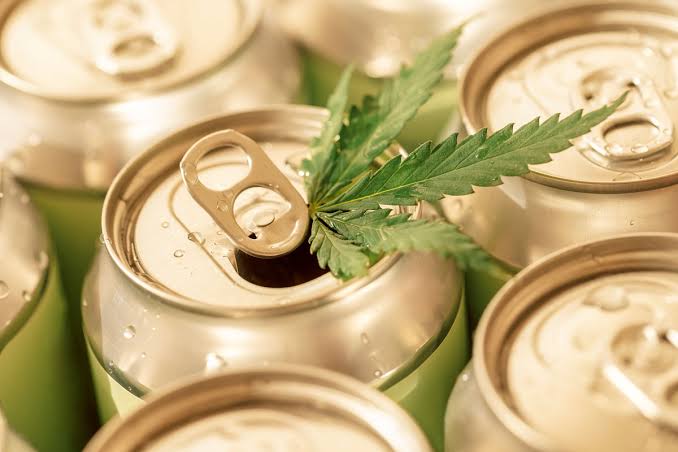
No drink category has ever solved this puzzle from zero before. Hemp-derived THC beverages sit legally beside dietary supplements while needing infrastructure built for soda or beer, and fitting neither. Direct purchase prompts reading shop now dominate these brands’ own channels partly out of necessity, wholesale pathways remain half built, so ecommerce carries weight it was never designed to hold for any beverage hoping to reach national scale. Cans are heavy. Shipping cans one customer at a time is how margins die.
Wholesale network gaps
Beer distributors own the cooler doors this category needs most. Many refuse to open them. Franchise laws tangle things, supplier agreements tangle them further, and an alcohol portfolio conflict is not worth one hemp SKU to most houses. Soft drink networks know retail placement cold but never built age-gated protocols, so they pass too. That leaves speciality hemp distributors, growing fast, covering fragmented territories, holding thin retail relationships. Brands respond by stitching regional patchworks together, four wholesale partners covering ground one beer company reaches alone. Four sets of paperwork. Four pricing negotiations. Four freight schedules. Each seam leaks margin quietly, every single month.
Cold chain economics
Heavy and chilled, the worst possible combination for a small brand. Freight weighs against every liquid unit sold, no exceptions, and refrigerated shelf placement costs slotting consideration that most startups cannot fund yet. Then emulsion stability enters. Temperature swings in transit shift cannabinoid distribution inside sealed cans, meaning a truck sitting overnight in August heat can alter what a customer eventually drinks. Warehousing partners who actually grasp these requirements are scarce. Brands either pay premium storage rates or hand product toward facilities treating it as ordinary soda, then learn expensive lessons afterwards, usually via returns.
Retail placement friction
Say a brand gets into a store. Where inside that store matters just as much.
- Cooler space beside beer drives real trial yet demands exactly those distributor relationships hardest to win.
- Supplement aisles satisfy nervous retailers while burying cans far from anyone shopping for thirst.
- Checkout coolers capture impulse buys but require velocity proof that new brands cannot yet show.
- Dedicated cannabinoid sets present everything clearly, and exist across maybe a fraction of chains anywhere.
Visibility traded against accessibility, every time. Brands rarely choose which trade lands upon them. Retailers choose.
State patchwork navigation
Borders rewrite rules constantly. Full retail sale here, milligram caps per container next door, outright format bans in one state further. Distributors running multi-state routes need compliance mapping updated almost weekly, because one mislabeled pallet crossing one wrong line creates liability touching every company along its path, brand, distributor, retailer, everyone. Common response now is state-specific formulations, different cans for different maps. It works. It also fragments production runs, inflates inventory complexity, and quietly eats whatever margin cold chain freight left behind.
Strip everything else away, and distribution, not product quality, not marketing spend, currently decides which hemp beverage brands scale. Operators solving wholesale coverage, cold logistics, and regulatory mapping all at once are building moats. Later entrants will spend years and fortunes trying to cross them, and most will not manage it.